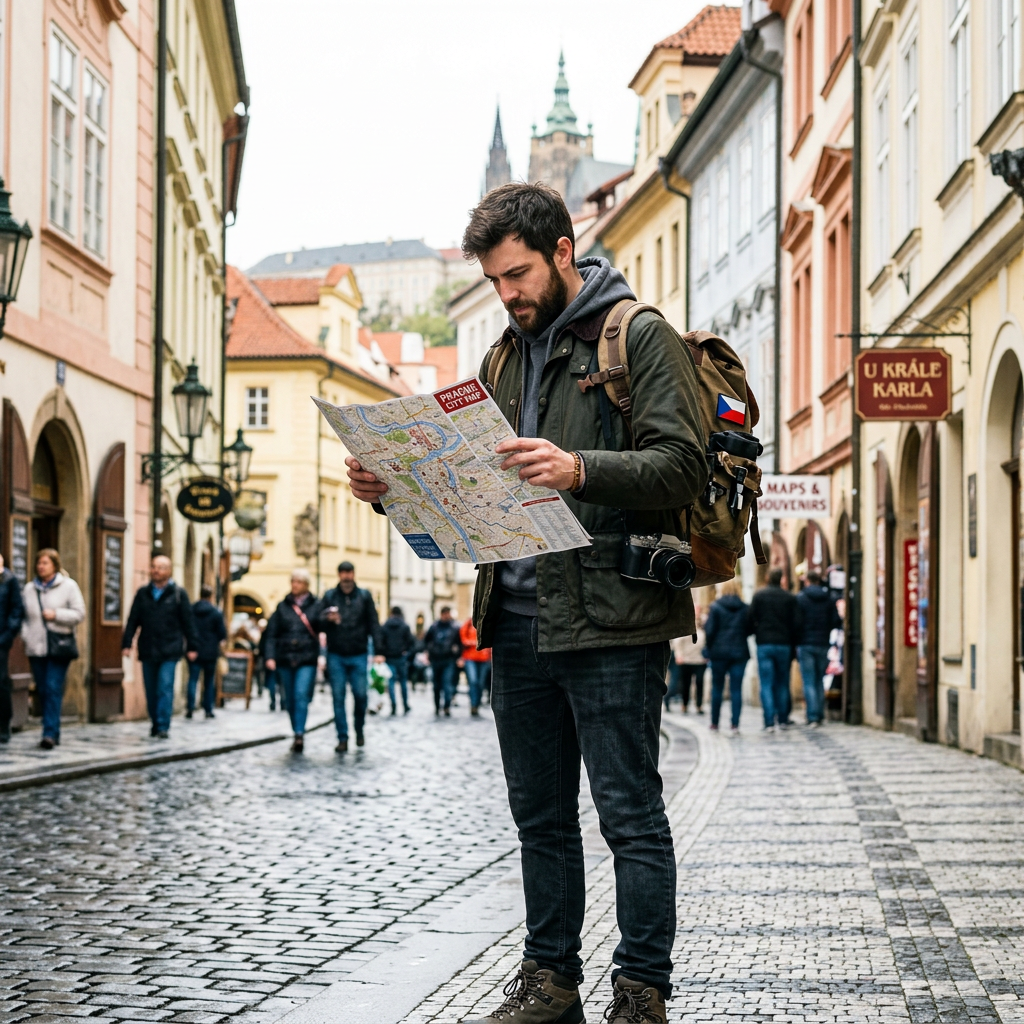
A missed connection at Mexico City airport, an unfamiliar late-night arrival, or a phone with 4 percent battery can make solo travel feel more complicated than it is. After more than a decade of traveling mostly independently, I have found that a good solo travel safety checklist is not about being afraid of the world. It is about removing the small points of friction that can turn an otherwise great day into an expensive, stressful one.
The goal is not to travel in a bubble. Some of my favorite travel memories happened because I wandered down a side street, accepted a local recommendation, or changed plans at the last minute. The trick is keeping enough margin around those spontaneous moments that you can make good decisions when you are tired, jet-lagged, or simply unfamiliar with the neighborhood.
Solo Travel Safety Checklist Before You Leave
The most useful safety decisions happen at home, when you have reliable Wi-Fi, a charged phone, and no pressure. Start with the basics: confirm that your passport has sufficient validity for the countries on your itinerary, check entry and transit requirements, and make sure your name matches across flights, cruise documents, and travel insurance paperwork.
I keep copies of my passport, insurance policy, flight itinerary, and hotel confirmations in three places: offline on my phone, in a secure cloud folder, and printed paper copies. A paper copy is still worthwhile on a longer trip, particularly when you are crossing several borders or taking a cruise with multiple port calls. It is not glamorous preparation, but it has saved me more than once when an airline app refused to load or an airport Wi-Fi connection was unreliable.
Before departure, give one trusted person your broad itinerary. I have prepared an excel spreadsheet for this purpose and it works quite well. They do not need every museum reservation, but they should know your flight dates, main hotels, cruise ship if applicable, and how to reach you. Set a simple check-in rhythm that feels normal rather than alarming. For many trips, a quick message after arrival and another every few days is enough.
Your pre-departure checklist should include these practical items:
- A bank card stored separately from your daily wallet, plus a small reserve of local currency
- An eSIM, international plan, or confirmed plan for getting connected upon arrival
- Offline maps for your destination and a downloaded translation tool where language may be a challenge
- Travel insurance details, including the number to call for medical assistance
- A hotel address saved in the local language or written down clearly for taxi drivers
- A portable battery and the right charging adapter for every country on the route
For travelers departing Mexico, Puerto Vallarta and Mexico City are particularly good launch points because of their broad international connectivity. Still, do not make a tight connection just because the fare looks attractive. A longer layover can be a safety feature when a delay would otherwise leave you arriving in a new city near midnight with no working data plan. I usually save quite a bit of money on business class when I apply that flexibility, and the business class lounges are always at my disposal to help with the longer layovers.
Book your first night for ease, not bragging rights
A cheaper hotel far from the center can be a good value, but it is not always the best choice on your first night alone. If you arrive after dark, pay attention to the route from the airport, the availability of reputable transportation, and whether the property has a staffed reception. Read recent reviews for comments about the actual neighborhood, not just the room photos. I have made it a habit to just stay the first night at an airport hotel with free shuttle service when I arrive past 7pm. Then the next day I can orient myself better to the next hotel or boarding a cruise ship. It is worth the extra costs with an Uber or Taxi!
This is where travel preferences matter. A central hotel, airport hotel, or well-reviewed apartment with clear arrival instructions often buys peace of mind when you need it most.
The First 24 Hours Set the Tone
Arrivals are when solo travelers are most visibly distracted. You are checking directions, finding cash, answering messages, and trying to understand the local transportation system. Keep your valuables organized before you land, not while standing outside the terminal.
Use official airport taxis, a reputable ride-hailing service, a prearranged transfer, or public transit you have researched in advance. If a driver approaches you inside the terminal with an unusually good offer, keep walking. In many destinations, the safest and simplest option is clearly signed outside the arrivals hall.
Once you reach your accommodation, take ten minutes to orient yourself. Identify the nearest convenience store, transit stop, pharmacy, and well-lit route back to your hotel. If I plan to return late, I walk part of that route during daylight first. It makes a surprising difference to know where the entrance is, which corner gets quiet, and where I can stop if I need help.
Avoid posting your location in real time, especially if your social media profile makes it obvious that you are traveling alone. Sharing a restaurant or viewpoint later is usually just as satisfying. The exception is a private check-in with someone you trust, which is one of the easiest habits to maintain.
Keep Your Routine Flexible, Not Careless
Most solo travel safety comes down to awareness, not special gear. Keep your phone and wallet in places that are hard to reach casually, especially in crowded metro systems, markets, and boarding lines. I generally carry only what I need for the day, leaving a backup card, extra cash, and my passport secured at the hotel when local rules allow.
That said, do not become so focused on protecting your belongings that you stop enjoying the place. Looking tense can make you less approachable and less likely to ask for help when you need it. Walk with purpose, check maps before you step onto the street, and pause inside a café or shop if you need to get your bearings.
Alcohol deserves an honest mention. There is nothing wrong with enjoying a cocktail at a great hotel bar, on a cruise ship, or at dinner, but solo travel is not the time to lose track of your drink, your route home, or your judgment. Know your limit, watch the bartender make your drink when possible, and have transportation sorted before the evening gets away from you.
If someone is overly persistent, you do not owe them politeness. A firm “no, thank you,” a move toward a busier area, or walking into a hotel lobby can end a situation quickly. Trusting your instincts does not mean assuming the worst about everyone. It means recognizing when an interaction has stopped feeling right.
Accommodation, Cruises, and Overnight Transport
At a hotel, use the door lock, avoid announcing your room number, and be careful about who you let follow you through secure entrances. I also make a habit of checking that the room phone works and that I know the front desk number. In a larger property, especially one with multiple towers, that little bit of orientation is useful.
Cruises can feel easier for solo travelers because your accommodation, meals, and transportation move with you. They are not risk-free, though. Treat port days as you would any independent visit: carry the ship’s contact information, know the all-aboard time, keep a charged phone, and do not assume that a random taxi driver understands how urgently you need to return. I usually keep a copy of my passport, even if the original is not required.
Overnight trains and long bus journeys call for a different approach. Keep your passport, phone, medication, and bank cards on your person rather than in luggage racks or under seats. If you can choose, book a compartment or seat in a section with other travelers and avoid displaying expensive electronics when everyone else is trying to sleep.
What to Do When Plans Go Wrong
A delayed flight, lost bag, canceled ferry, or minor illness is rarely a disaster by itself. Problems grow when you are exhausted and try to solve everything at once. Find a safe place to sit, charge your phone, connect to Wi-Fi, and deal with the next decision only.
For a medical issue, contact your insurer early rather than waiting until it becomes urgent. For theft, cancel or lock cards immediately, document what happened, and ask your hotel or local authorities where a report is needed. Keep digital receipts and screenshots of any expenses if you plan to make an insurance claim.
Most importantly, allow yourself to change the plan. There is no prize for taking the last bus to a neighborhood that no longer feels comfortable, pressing on through illness, or staying in an accommodation that gives you a bad feeling. Book the better hotel, take the official taxi, or spend the extra day in a place where you feel settled.
Solo travel becomes more natural with every trip, not because risks disappear, but because your judgment gets sharper. Prepare the basics, stay connected, and leave room for the pleasant surprises that made you want to travel alone in the first place.

Leave a Reply