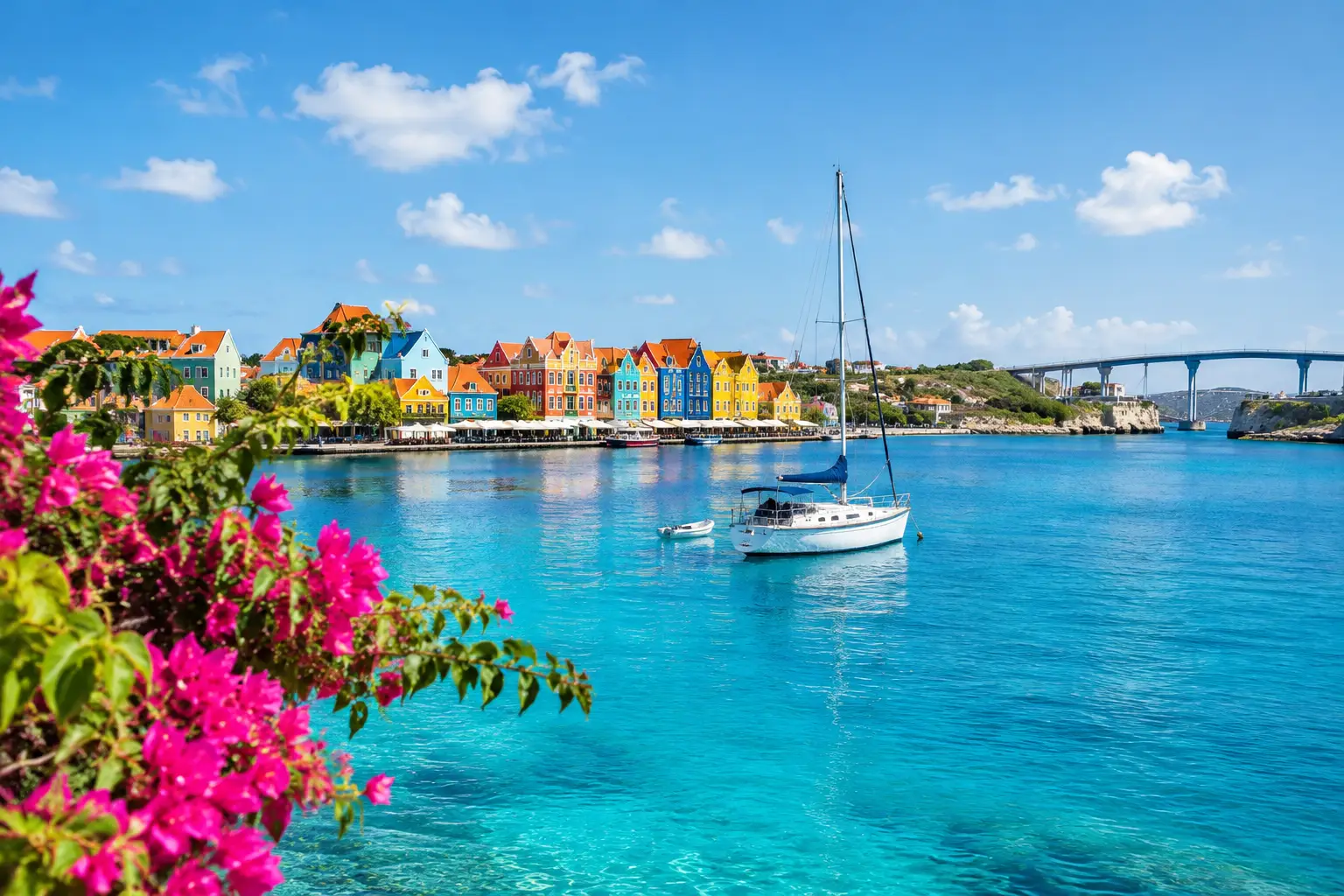
The pastel waterfront of Willemstad is the image most people carry home from Curaçao, but it is not the reason to go. The real appeal is that Curaçao gives you room to build a Caribbean trip at your own pace: a morning swim at a quiet cove, an unhurried lunch, a drive through dry island landscapes, and a sunset drink in a city that feels more lived-in than manufactured for visitors.
For travelers coming from Mexico or the United States, it is also a rewarding alternative to the usual all-inclusive Caribbean routine. Curaçao has excellent resorts if that is what you want, but the island makes much more sense when you leave the property, rent a car, and give yourself enough time to see why each beach has its own following.
My first visit was via a cruise ship leaving from Panama City through the Panama Canal with a stop in Columbia and the sister islands of Aruba and Bonaire Then finishing in Colon, Panama only 1 1/2 hours from Panama City because of the narrow peninsula of Panama.
Why Curaçao Feels Different
Curaçao is part of the Dutch Caribbean, just north of Venezuela. That geography matters. It is a drier, more cactus-studded island than travelers expecting lush tropical jungle might imagine, and it generally sits outside the main hurricane belt. That does not mean weather is guaranteed, but it can be a useful consideration when planning a Caribbean escape during the traditional hurricane season.
The cultural mix is one of the island’s strengths. Dutch colonial architecture is obvious in Willemstad, while Papiamentu, Dutch, English, and Spanish can all be heard around town. English-speaking visitors will have little trouble getting around, but Curaçao does not feel like a Caribbean destination that has been flattened into one familiar experience.
Willemstad is divided by St. Anna Bay. Punda is the historic, colorful side most first-time visitors see, while Otrobanda, across the water, has a slightly more residential and creative feel. The floating Queen Emma Bridge connects them when it is open. When the bridge swings aside to let ships pass, a small free ferry handles pedestrians. It is a practical little detail, but one that makes the harbor feel like a real working part of the city rather than a backdrop.


Where to Stay in Curaçao
Your choice of base changes the entire trip. If this is a first visit and you want restaurants, walkable evenings, and easy access to the city, stay in or near Willemstad. Pietermaai is particularly appealing for independent travelers because it puts you close to small hotels, bars, and restaurants without requiring a resort wristband.
A beachfront resort on the southwest coast is better if your priority is convenience. You can wake up near the water, have a good beach at hand, and avoid driving every day. The trade-off is that you may spend more time in a self-contained environment and less time seeing the island’s variety.
For a longer stay, consider an apartment or villa around Jan Thiel, Blue Bay, or the western side of the island. This works well for travelers who like to make their own breakfast, pack a cooler for beach days, and return to a quieter setting at night. Solo travelers should not assume they need a large resort to feel comfortable. A well-reviewed hotel in Pietermaai or a small guesthouse with staff on site can offer a more social and personal experience.
The Beaches Are Better With a Car
Curaçao is not an island where I would rely on taxis for an entire trip. They are useful for airport transfers, dinners, and a night out, but a rental car gives you the freedom that makes the destination special. The best beaches are scattered along the western coast, and stopping where the water looks most inviting is part of the day.
Cas Abao is a good choice when you want an easy beach day with facilities, calm water, and a comfortable setup. Playa Porto Mari is another popular option, known for clear snorkeling water and a relaxed atmosphere. Grote Knip, often called Playa Kenepa Grandi, is more dramatic, with bright blue water framed by cliffs. Arrive earlier than you think you need to if you prefer a quieter experience and easier parking.
Do not try to see every beach in a single day. Curaçao rewards choosing two and actually enjoying them. Bring water, sunscreen, a towel, and something to wear over your swimsuit for the drive. Beach clubs and facilities vary, and the island’s sun is serious even when the breeze makes it feel manageable.
Snorkeling is one of the simplest pleasures here. Many beaches have reef close enough to shore that you do not need to book a full-day excursion just to get in the water. Conditions change with wind and currents, so ask locally where visibility is best that day and never treat a calm-looking sea casually.
Make Time for Willemstad Beyond the Photo
Willemstad deserves more than an hour between a cruise ship stop and lunch. Start in Punda, where the bright facades along Handelskade are as colorful as the postcards promise. Then wander inland a few blocks. The side streets, courtyards, shops, and cafes give the city more texture than the waterfront alone.
Cross to Otrobanda for a different perspective and take time to explore the neighborhood rather than immediately returning to Punda. This is where a slow itinerary pays off. You can visit the headline sights in a short window, but the city becomes more interesting when you leave space for an unplanned coffee, a local meal, or simply sitting by the harbor as the light changes.
Food in Curaçao reflects the island’s mixed background. Look for Caribbean fish, stews, Dutch-influenced snacks, and dishes made with local spices. A resort buffet may be convenient after a long beach day, but at least a few meals in Willemstad or a neighborhood restaurant will give your trip more character.
Curaçao Planning Notes From Mexico and the US
There are no planning shortcuts worth pretending otherwise: Curaçao can require a connection, depending on where you start. From Mexico City, routing through a major U.S. gateway or Panama may be the most practical option, while U.S. travelers often have more direct-flight choices from selected hubs. Schedules change, especially seasonally, so compare total travel time rather than booking solely on the lowest fare.
For a longer itinerary, that connection can be a reason to think carefully about cabin comfort. I do not believe every Caribbean flight demands business class, but an early departure, a long layover, and a late arrival can make an extra-legroom seat or a better-timed itinerary worth more than an onboard meal. The goal is to arrive ready to enjoy the island, not to spend day one recovering from the route.
The local currency is the Netherlands Antillean guilder, though U.S. dollars and credit cards are widely accepted in many visitor-facing businesses. Still, ask before ordering or paying, since exchange rates and card policies can differ. Carry a small amount of cash, particularly if you plan to visit smaller beaches or local snack stands.
Driving is on the right, and the road network is manageable, although potholes, narrow stretches, and unfamiliar roundabouts require attention. Download offline maps before leaving your hotel. If you are traveling alone, tell someone where you are headed for a remote beach day, keep valuables out of view in the car, and avoid leaving bags unattended on the sand. These are sensible travel habits, not reasons to be anxious.
The Best Curaçao Itinerary Is Not a Packed One
Three nights is enough for a quick introduction, but four to six nights gives Curaçao the breathing room it needs. Use one day for Willemstad, two for different beach areas, and one for an activity beyond the coast. A boat trip to Klein Curaçao is a popular full-day choice for those who want huge stretches of white sand and open water. If you would rather stay on land, Christoffel National Park offers a change of scenery and a chance to see the island’s rugged interior.
The choice depends on your travel style. Klein Curaçao can be spectacular, but the boat ride may be rough and the day is long. Christoffel is better for travelers who enjoy a hike and do not need every hour to involve a beach chair. Neither is mandatory. A quiet day moving between two west-coast coves can be just as memorable.
Give Curaçao the time to be more than a colorful stopover. Rent the car, choose fewer beaches, linger in Willemstad after the day-trippers leave, and let the island set a slower rhythm. That is often where the best travel memories begin.
Remember to keep browsing my many blogs right here!
Leave a Reply